Participating in Clinical Trials
Participating in clinical trials is one of the most impactful ways individuals can contribute to the advancement of mental health and addiction treatment. At the Neuroscience Research Institute, clinical trials are not simply research projects; they are structured, carefully monitored opportunities to explore innovative therapies, improve outcomes, and offer hope to individuals who may not have found success with traditional approaches. For many participants, clinical trials provide access to cutting-edge treatments, expert medical oversight, and the opportunity to play a meaningful role in shaping the future of behavioral healthcare.
The Neuroscience Research Institute is dedicated to advancing evidence-based care through rigorous scientific investigation. By participating in clinical trials, individuals gain access to novel treatment modalities that are often years ahead of widespread clinical adoption. These studies are conducted under strict ethical standards, with participant safety and informed consent as top priorities. The ultimate goal is to develop safer, more effective interventions for conditions such as depression, anxiety, bipolar disorder, substance use disorders, trauma-related conditions, and other complex psychiatric challenges.
Understanding Clinical Trials in Mental Health and Addiction Treatment
Clinical trials are structured research studies designed to evaluate the safety, effectiveness, and optimal use of new treatments. In the mental health and addiction space, clinical trials may focus on innovative medications, neuromodulation technologies, psychotherapy enhancements, digital therapeutics, or integrative approaches that combine multiple evidence-based interventions.
At the Neuroscience Research Institute, clinical trials are designed to address real-world challenges faced by individuals struggling with persistent symptoms. Many participants have previously tried conventional treatments without achieving full remission. Through clinical trials, researchers can test new therapies that may offer improved outcomes, faster symptom relief, or fewer side effects.
Each clinical trial follows a defined protocol that outlines eligibility criteria, study procedures, duration, and outcome measures. This structured approach ensures that data collected is reliable and that participant safety remains the central focus throughout the study process.
The Role of Neuroscience in Advancing Clinical Trials
The Neuroscience Research Institute integrates advanced neuroscience principles into its clinical trials. Modern research increasingly recognizes that mental health conditions involve complex neurobiological pathways. By understanding brain circuitry, neurotransmitter function, and neuroplasticity, researchers can design clinical trials that target underlying mechanisms rather than only surface-level symptoms.
Clinical trials at the institute often explore treatments such as transcranial magnetic stimulation, novel pharmacological agents, precision medicine approaches, and emerging technologies aimed at modulating neural activity. By leveraging scientific advancements, these clinical trials aim to provide measurable improvements in mood regulation, cognitive functioning, impulse control, and emotional resilience.
This neuroscience-driven approach enhances the likelihood that clinical trials will generate meaningful insights. Rather than relying on trial and error, researchers use data, imaging, and biomarker analysis to refine treatment strategies and optimize patient outcomes.

Who Can Participate in Clinical Trials
Participating in clinical trials at the Neuroscience Research Institute begins with a thorough screening process. Eligibility criteria vary depending on the specific study, but they are carefully designed to ensure both safety and scientific accuracy.
Individuals who may qualify for clinical trials often include those experiencing treatment-resistant depression, persistent anxiety disorders, bipolar disorder, post-traumatic stress disorder, or substance use disorders. Some clinical trials are designed for individuals currently in recovery, while others focus on active symptom management.
During the screening process, participants undergo medical evaluations, psychiatric assessments, and a detailed review of their treatment history. This comprehensive assessment helps determine whether participation in clinical trials is appropriate and beneficial. Transparency is emphasized at every step, ensuring that potential participants fully understand the study’s purpose, risks, and potential benefits before providing informed consent.
The Phases of Clinical Trials
Clinical trials typically progress through multiple phases. Early-phase clinical trials focus on safety, dosage, and potential side effects. Later phases evaluate effectiveness across larger populations and compare new treatments to standard care options.
At the Neuroscience Research Institute, clinical trials are conducted according to federal regulations and ethical guidelines. Institutional review boards oversee study protocols to ensure participant protection. Researchers monitor participants closely throughout the study period, collecting data on symptom changes, physiological responses, and overall well-being.
Each phase of clinical trials contributes valuable data. Even when a treatment does not demonstrate the expected outcome, the information gathered helps refine future research directions. This iterative process drives innovation and ultimately leads to improved care standards across the behavioral health field.
Benefits of Participating in Clinical Trials
Participating in clinical trials offers several potential benefits. One of the most significant advantages is access to innovative treatments that may not yet be widely available. For individuals who have struggled with chronic symptoms, this access can represent a new opportunity for improvement.
Clinical trials at the Neuroscience Research Institute also provide structured monitoring by experienced clinicians and research professionals. Participants receive consistent evaluations, ongoing communication, and comprehensive oversight throughout the study duration.
In some cases, participation in clinical trials may reduce or eliminate treatment costs associated with the study intervention. While financial considerations vary by trial, many research studies cover the cost of investigational treatments and related assessments.
Beyond personal benefits, participation in clinical trials contributes to scientific advancement. Each participant plays a direct role in improving understanding of mental health and addiction disorders. The data generated may inform future treatment protocols, guide insurance coverage decisions, and expand access to evidence-based interventions.
Safety and Ethical Oversight in Clinical Trials
Safety is the foundation of all clinical trials at the Neuroscience Research Institute. Strict regulatory standards govern study design, participant recruitment, and data collection. Before any clinical trial begins, it undergoes rigorous review to ensure that risks are minimized and that potential benefits justify participation.
Informed consent is a central component of ethical clinical trials. Participants are provided with detailed information about study procedures, potential risks, possible side effects, and alternative treatment options. They have the right to ask questions, consult with family members or healthcare providers, and withdraw from the study at any time.
Throughout the trial, participants are monitored for adverse events or unexpected changes in health status. Research teams respond promptly to concerns, and safety monitoring committees may review ongoing data to ensure participant protection. This comprehensive oversight framework ensures that clinical trials maintain the highest standards of integrity and care.
Clinical Trials and Personalized Treatment Approaches
Modern clinical trials increasingly emphasize personalization. The Neuroscience Research Institute recognizes that mental health conditions vary widely from person to person. Genetic factors, trauma history, co-occurring disorders, and lifestyle influences all shape treatment response.
Clinical trials may incorporate precision medicine techniques, including biomarker analysis and symptom profiling, to tailor interventions more effectively. By collecting detailed participant data, researchers can identify patterns that predict who is most likely to benefit from specific therapies.
This personalized approach enhances the quality of clinical trials. Rather than applying a one-size-fits-all model, researchers can refine inclusion criteria and optimize interventions for distinct patient populations. The result is a more targeted and effective pathway toward recovery.
The Impact of Clinical Trials on the Future of Behavioral Health
The long-term impact of clinical trials extends far beyond individual participants. Breakthroughs achieved through research studies often reshape treatment standards across the country. New medications, neuromodulation techniques, and integrated care models frequently begin as carefully designed clinical trials.
At the Neuroscience Research Institute, research findings contribute to a growing body of scientific literature that informs clinicians, policymakers, and healthcare organizations. Successful clinical trials may lead to regulatory approval of new treatments, expanded insurance coverage, and broader access to innovative care.
By participating in clinical trials, individuals become active contributors to this transformative process. Their involvement helps accelerate the development of therapies that can improve quality of life for countless others facing similar challenges.
Addressing Common Concerns About Clinical Trials
Some individuals hesitate to participate in clinical trials due to misconceptions. It is important to understand that clinical trials are not experimental in a reckless sense. They are structured investigations built upon prior research and safety data.
Participants are never required to continue if they feel uncomfortable or if the treatment does not align with their goals. The right to withdraw at any time is fundamental to ethical research practices.
Another common concern involves receiving a placebo. In many mental health clinical trials, researchers use active comparison groups or ensure that all participants receive some level of therapeutic support. Study designs vary, and the details are thoroughly explained during the informed consent process.
Transparency, education, and open communication help address these concerns. The Neuroscience Research Institute prioritizes clear dialogue to ensure participants feel empowered and informed.
What to Expect During Participation
Participating in clinical trials typically involves scheduled visits, structured assessments, and ongoing communication with the research team. The frequency and duration of visits depend on the specific study protocol.
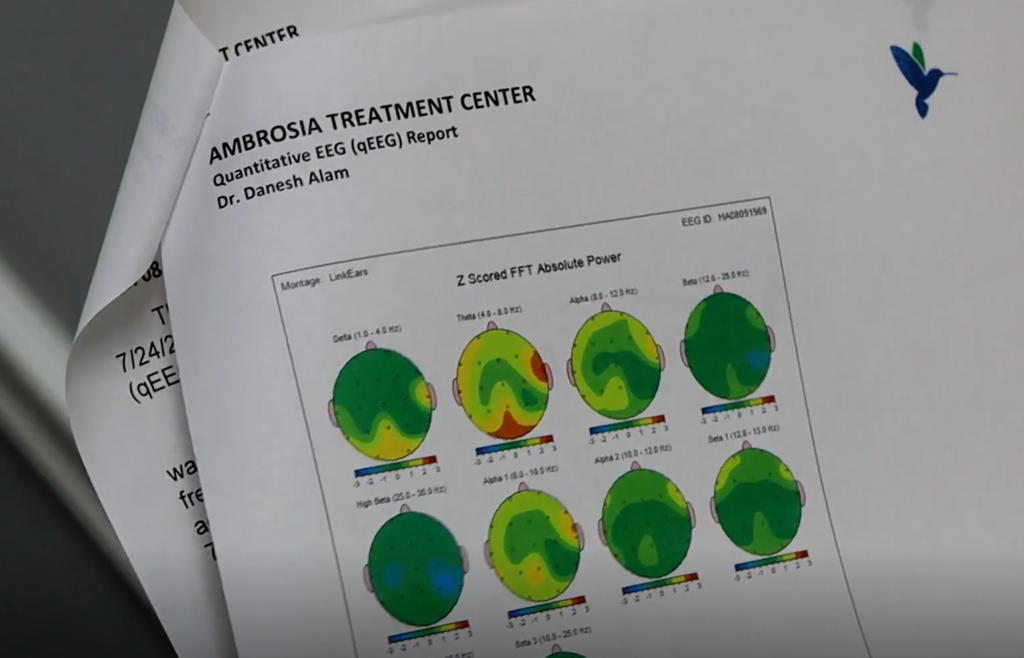
Assessments may include symptom questionnaires, cognitive evaluations, medical examinations, and in some cases neuroimaging or laboratory testing. These evaluations provide critical data for analyzing treatment effectiveness.
Participants often develop strong relationships with research staff due to the consistent interaction and oversight. This continuity can enhance accountability and support throughout the study period.
Upon completion of clinical trials, participants may receive follow-up evaluations to assess long-term outcomes. Some studies also offer transition planning to ensure continuity of care after the research phase concludes.
Why Choose the Neuroscience Research Institute for Clinical Trials
The Neuroscience Research Institute stands out for its commitment to scientific rigor, patient-centered care, and innovation. Clinical trials conducted at the institute reflect a deep understanding of both neuroscience and compassionate behavioral health treatment.
By integrating advanced research methodologies with clinical expertise, the institute creates an environment where participants feel supported, informed, and respected. The focus is not solely on data collection, but on advancing meaningful change in mental health and addiction recovery outcomes.
Participating in clinical trials at the Neuroscience Research Institute represents an opportunity to access pioneering therapies while contributing to groundbreaking research. It is a partnership between participant and researcher, united by a shared goal of improving lives through science.
Moving Forward Through Clinical Trials
For individuals seeking new treatment options or hoping to contribute to mental health innovation, clinical trials offer a powerful pathway forward. At the Neuroscience Research Institute, these studies are conducted with integrity, transparency, and a deep commitment to participant well-being.
As the field of behavioral health continues to evolve, clinical trials remain essential to discovering more effective interventions. Through research participation, individuals help shape a future where mental health and addiction disorders are treated with greater precision, compassion, and success.
Participating in clinical trials is not merely about testing new therapies. It is about advancing understanding, expanding hope, and accelerating progress in a field that impacts millions of lives. At the Neuroscience Research Institute, clinical trials serve as a bridge between scientific discovery and real-world healing, offering participants the chance to be part of something truly transformative.
Additional Resources
NRI Clinical Trials and Research Studies:
Alzheimer’s Treatment Research Program
DepressionTreatment Research Study
Bipolar Disorder Research Study
Schizophrenia Treatment Research Study
GLP1 and Opioid Use Research Study
Florida Governing Bodies: