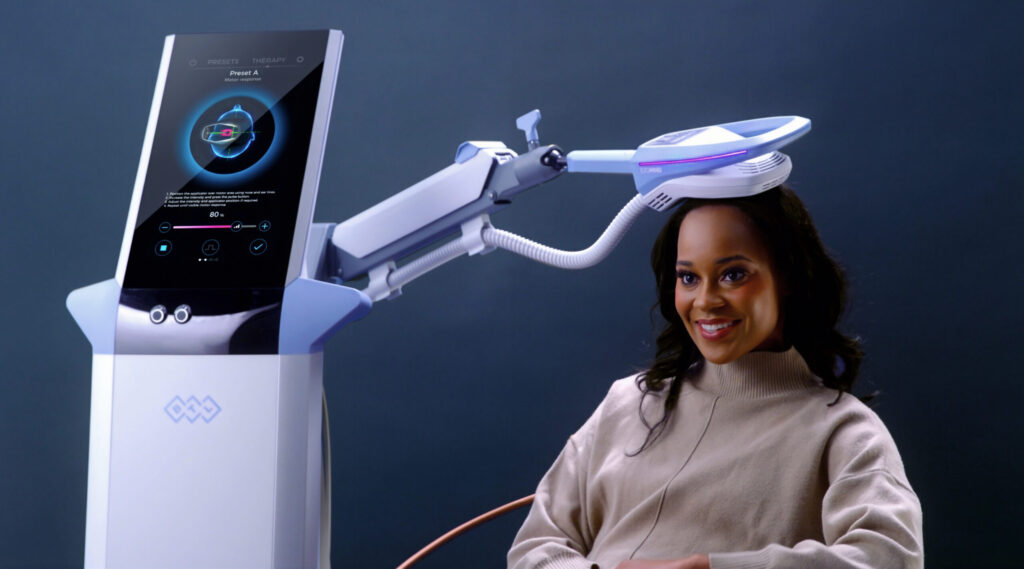
Understanding Transcranial Magnetic Stimulation, TMS, and Its Role in Modern Neuroscience
Transcranial Magnetic Stimulation, commonly referred to as TMS, represents one of the most important advances in modern neuroscience and mental health treatment. At Neuroscience Research Institute, TMS is offered as a cutting-edge, evidence-based therapy designed to directly target the neural circuits involved in mood regulation, cognition, and emotional processing. Unlike traditional treatments that rely solely on medication or talk therapy, TMS works by stimulating specific regions of the brain using focused magnetic pulses, allowing clinicians to influence brain activity at its source.
TMS is non-invasive, does not require anesthesia, and is performed on an outpatient basis. This makes it an attractive option for individuals who have not found relief through antidepressants, mood stabilizers, or psychotherapy alone. By leveraging decades of neuroscience research, Neuroscience Research Institute integrates TMS into a comprehensive, research-driven model of care that prioritizes both safety and effectiveness.
How TMS Works in the Brain
TMS operates by delivering precisely controlled magnetic pulses through a specialized coil placed on the scalp. These magnetic pulses pass harmlessly through the skull and induce small electrical currents in targeted areas of the brain. At Neuroscience Research Institute, TMS protocols are carefully designed to stimulate or regulate regions associated with depression, anxiety, trauma, and other neuropsychiatric conditions.
The most commonly targeted area is the prefrontal cortex, a region heavily involved in mood, decision-making, and emotional regulation. Research has consistently shown that abnormal activity in this region is associated with depression and other mood disorders. TMS helps normalize this activity, encouraging healthier communication between neurons and restoring balance to disrupted neural networks.
Because TMS works at the level of brain circuitry, it offers a fundamentally different mechanism of action compared to medications, which affect neurotransmitters systemically throughout the body. This targeted approach allows for meaningful clinical improvements with minimal systemic side effects.
The Science Behind TMS Effectiveness
The effectiveness of TMS is supported by a substantial and growing body of scientific research. Numerous large-scale clinical trials and meta-analyses have demonstrated that TMS produces significant improvements in symptoms of major depressive disorder, particularly in individuals who have not responded adequately to medication. As a result, TMS has received FDA clearance and is widely recognized by leading medical and psychiatric organizations.
At Neuroscience Research Institute, TMS services are grounded in translational neuroscience, meaning that research findings are continuously integrated into clinical practice. This ensures that patients receive the most current and scientifically validated treatment protocols available. The Institute’s commitment to ongoing research and innovation allows TMS to be tailored to individual neurobiological profiles, maximizing both response rates and long-term outcomes.

TMS for Treatment-Resistant Depression
One of the primary applications of TMS at Neuroscience Research Institute is the treatment of depression that has not responded to conventional therapies. Many individuals experience persistent depressive symptoms despite trying multiple medications and therapeutic approaches. TMS offers renewed hope for these patients by addressing the underlying neural dysregulation that contributes to depressive illness.
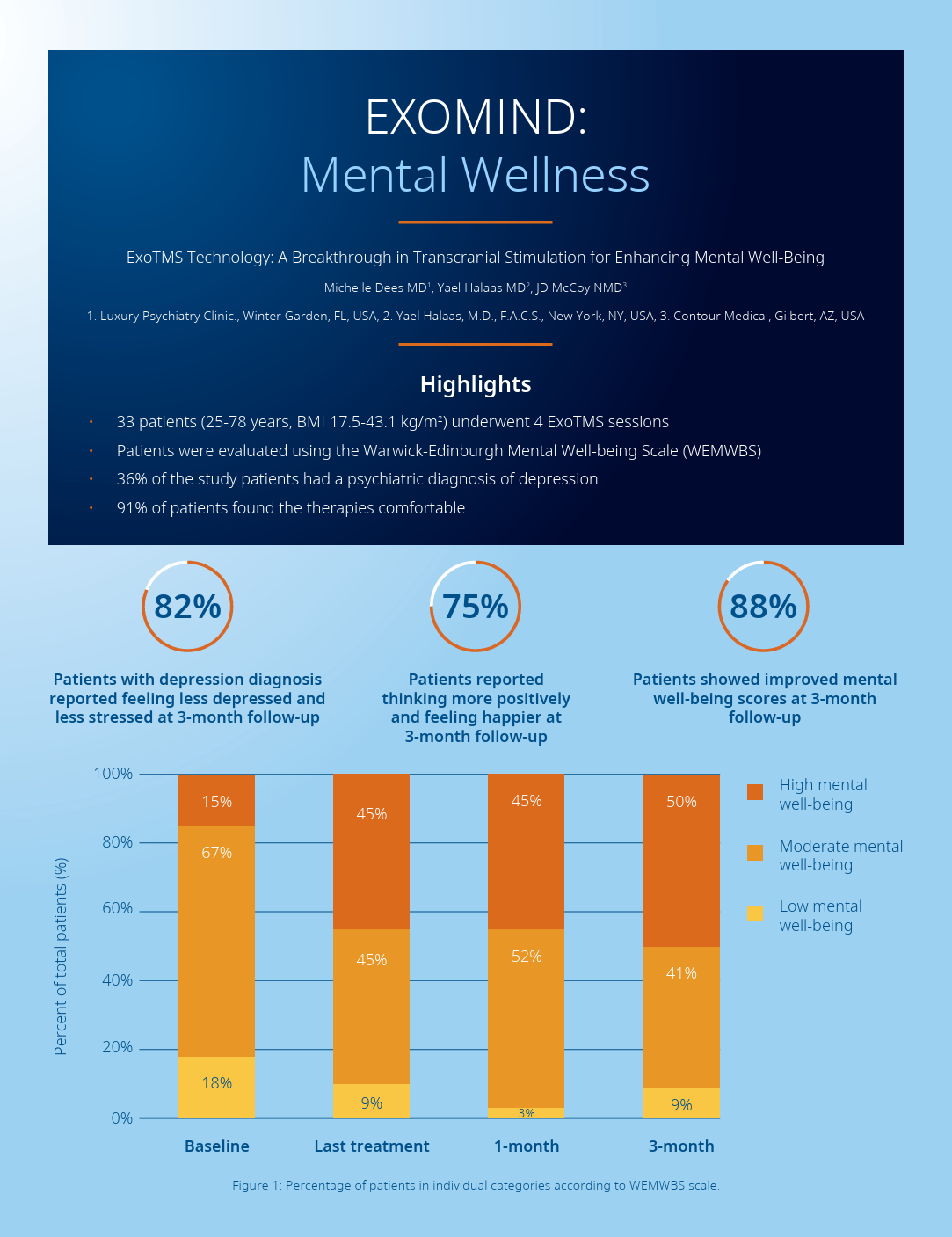
Patients undergoing TMS for depression often report gradual improvements in mood, motivation, energy, and cognitive clarity over the course of treatment. Unlike medication changes, which can take weeks to months to show effects and may introduce unwanted side effects, TMS allows for steady progress without altering systemic chemistry. This makes it particularly valuable for individuals who are sensitive to medications or who have experienced limited benefit from pharmacological treatment.
TMS Applications Beyond Depression
While depression is the most well-known indication, TMS services at Neuroscience Research Institute extend beyond a single diagnosis. Research continues to demonstrate the potential of TMS for a wide range of neurological and psychiatric conditions. These include anxiety disorders, post-traumatic stress disorder, obsessive-compulsive disorder, and certain cognitive impairments.
In trauma-related conditions, TMS can help regulate overactive fear circuits and restore balance between emotional and executive brain regions. For individuals with anxiety, TMS may reduce hyperactivity in areas associated with threat perception and worry. Neuroscience Research Institute evaluates each patient carefully to determine whether TMS is appropriate and how protocols should be adjusted to address their specific symptoms and neurological patterns.
Personalized TMS Treatment Planning
A defining feature of TMS services at Neuroscience Research Institute is the emphasis on individualized care. Every patient begins with a comprehensive evaluation that includes psychiatric assessment, clinical history, and, when appropriate, advanced neurodiagnostic tools. This allows clinicians to determine the most effective TMS parameters for each individual.
Personalization includes selecting the optimal stimulation site, frequency, intensity, and treatment duration. Adjustments are made throughout the course of treatment based on patient response and ongoing clinical observation. This precision-based approach reflects the Institute’s broader commitment to neuroscience-informed care and ensures that TMS is delivered safely and effectively.
What to Expect During a TMS Session
A typical TMS session at Neuroscience Research Institute is straightforward and well-tolerated. Patients remain awake and seated comfortably while the TMS coil is positioned against the scalp. The procedure does not require sedation, and patients can resume normal activities immediately afterward.
During stimulation, patients may feel a tapping sensation on the head and hear clicking sounds from the device. These sensations are generally mild and diminish as patients become accustomed to treatment. Each session usually lasts between 20 and 40 minutes, depending on the protocol being used. Treatments are typically administered several times per week over a multi-week period to achieve optimal results.
Safety and Side Effects of TMS
TMS is widely regarded as a safe and well-tolerated treatment. At Neuroscience Research Institute, strict safety protocols are followed to minimize risk and ensure patient comfort. The most common side effects include mild scalp discomfort or headache during or shortly after treatment, which usually resolves quickly.
Unlike many medications, TMS does not cause systemic side effects such as weight gain, sexual dysfunction, gastrointestinal issues, or sedation. There is no impact on memory or cognition, and patients do not experience the cognitive side effects associated with more invasive brain stimulation techniques. The safety profile of TMS makes it a compelling option for individuals seeking effective treatment without compromising quality of life.
TMS Therapy is Revolutionizing Mental Health Treatment

Integrating TMS into Comprehensive Care
At Neuroscience Research Institute, TMS is not offered in isolation but as part of an integrated treatment model. Many patients continue psychotherapy, medication management, or other neuroscience-based interventions alongside TMS. This comprehensive approach recognizes that mental health conditions are complex and multifaceted, often requiring a combination of therapeutic strategies.
By integrating TMS with other evidence-based treatments, the Institute enhances overall outcomes and supports long-term recovery. Collaboration between clinicians ensures that care remains cohesive, adaptive, and aligned with each patient’s goals and progress.
The Role of Neuroscience Research Institute in Advancing TMS
Neuroscience Research Institute stands at the intersection of clinical care and scientific discovery. Its TMS services reflect a deep commitment to advancing the field of neuromodulation through research, innovation, and education. Clinicians stay informed of emerging studies and evolving best practices, allowing the Institute to continually refine its TMS offerings.
This research-driven culture ensures that patients benefit from the latest insights into brain function and neuroplasticity. As understanding of the brain continues to grow, TMS protocols can be adapted to address new indications and improve existing outcomes.
Long-Term Outcomes and Neuroplasticity
One of the most promising aspects of TMS is its ability to promote neuroplasticity, the brain’s capacity to reorganize and form new neural connections. By repeatedly stimulating targeted brain regions, TMS encourages lasting changes in neural activity that extend beyond the treatment period.
Patients often experience sustained improvements in mood and functioning, particularly when TMS is combined with supportive therapies and healthy lifestyle changes. Neuroscience Research Institute emphasizes long-term wellness by helping patients understand how TMS contributes to brain health and resilience over time.
Who Is a Good Candidate for TMS
TMS may be appropriate for individuals who have struggled with persistent symptoms despite traditional treatments, as well as those who cannot tolerate medication side effects. A thorough evaluation at Neuroscience Research Institute helps determine candidacy, taking into account medical history, symptom profile, and treatment goals.
While TMS is not suitable for everyone, particularly individuals with certain implanted medical devices or neurological conditions, many patients who meet criteria find it to be a transformative option. Clear communication and informed consent are central to the Institute’s patient-centered approach.
The Future of TMS at Neuroscience Research Institute
As neuroscience continues to evolve, so too does the potential of TMS. Ongoing research is exploring new stimulation targets, personalized biomarkers, and expanded applications for neuromodulation. Neuroscience Research Institute remains at the forefront of these developments, committed to expanding access to innovative treatments that align with the future of mental health care.
By combining scientific rigor with compassionate care, the Institute positions TMS as not just a treatment, but as part of a broader movement toward precision neuroscience and individualized healing.



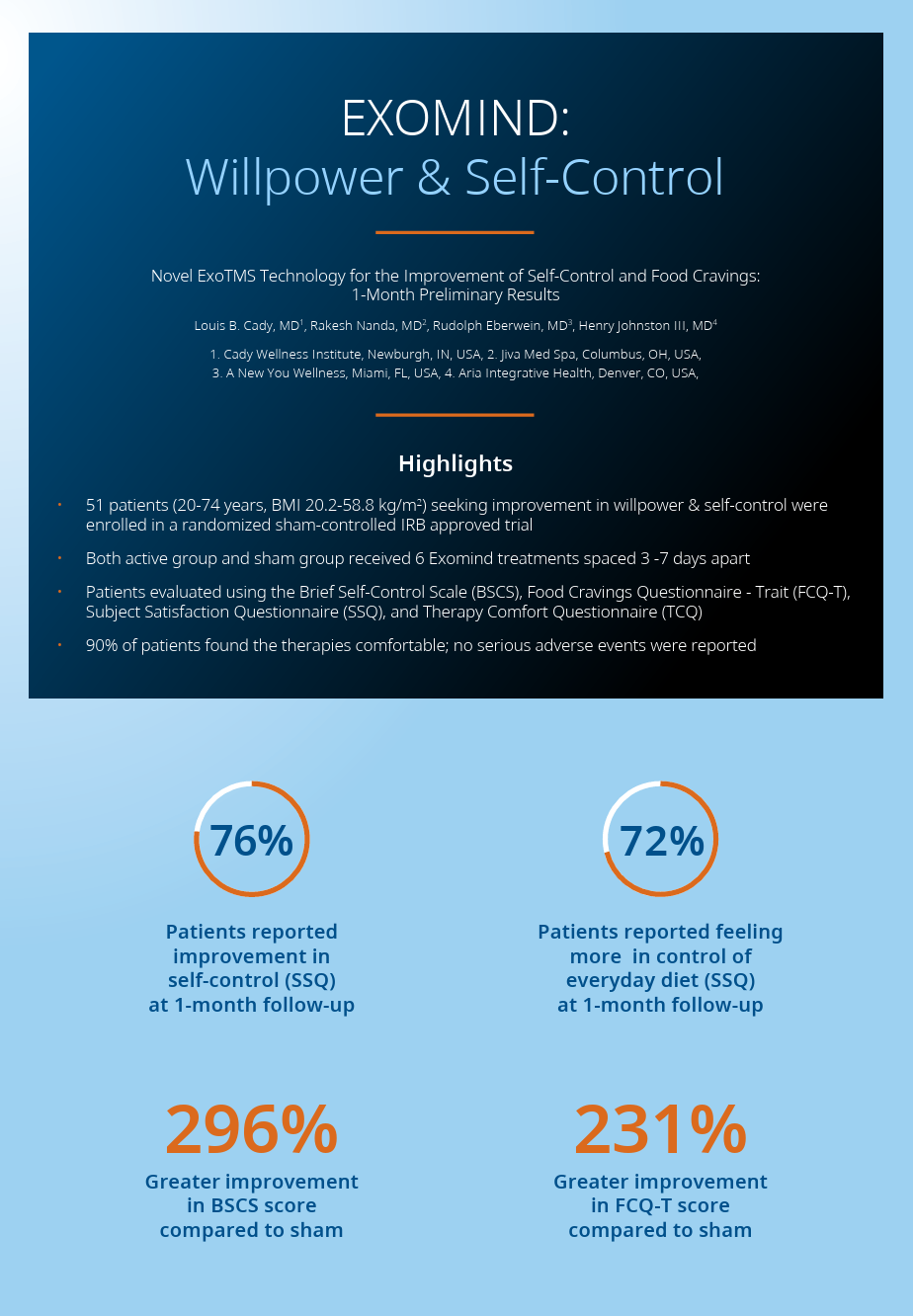
Choosing TMS Services at Neuroscience Research Institute
Choosing where to receive TMS treatment is an important decision. Neuroscience Research Institute offers a unique blend of clinical expertise, research integration, and personalized care. Patients benefit from a team that understands the complexity of the brain and approaches treatment with both scientific depth and human empathy.
Through its advanced TMS services, Neuroscience Research Institute provides hope for individuals seeking meaningful change. By addressing the brain directly and supporting neuroplastic recovery, TMS stands as a powerful tool in the Institute’s mission to advance mental health through neuroscience.