Understanding Methamphetamine and Its Neurological Impact
Methamphetamine is a powerful central nervous system stimulant that profoundly alters brain chemistry. It increases the release and blocks the reuptake of dopamine, norepinephrine, and serotonin, producing intense euphoria, heightened alertness, and increased energy. Over time, repeated exposure leads to neurotoxicity, particularly within dopamine pathways associated with reward, motivation, and perception.
The brain adapts to persistent overstimulation by reducing natural dopamine production and altering receptor sensitivity. These changes can disrupt normal cognitive and emotional processing, contributing to paranoia, hallucinations, and delusional thinking. Methamphetamine’s long half-life also prolongs its effects, increasing the risk of sleep deprivation and cumulative neurochemical stress that further heightens vulnerability to psychosis.
At Neuroscience Research Institute, clinicians emphasize that methamphetamine psychosis is not simply a behavioral reaction to drug use. It reflects measurable neurobiological dysfunction that can persist beyond intoxication, particularly among individuals with heavy or prolonged use patterns.
What Is Methamphetamine Psychosis?
Methamphetamine psychosis refers to a cluster of psychotic symptoms that occur during or after methamphetamine use. These symptoms mirror those seen in primary psychotic disorders such as schizophrenia, including hallucinations, delusions, disorganized thinking, and severe paranoia. However, methamphetamine psychosis is substance-induced and often fluctuates based on use patterns, withdrawal phases, and underlying mental health vulnerabilities.
Episodes may occur during intoxication, after extended binges, or during withdrawal when the brain struggles to reestablish chemical balance. Some individuals experience transient psychosis that resolves with abstinence, while others develop persistent symptoms that last weeks, months, or even longer. Neuroscience Research Institute clinicians stress the importance of early intervention, as repeated psychotic episodes can increase the risk of chronic psychiatric complications.
The Neurobiology Behind Psychotic Symptoms
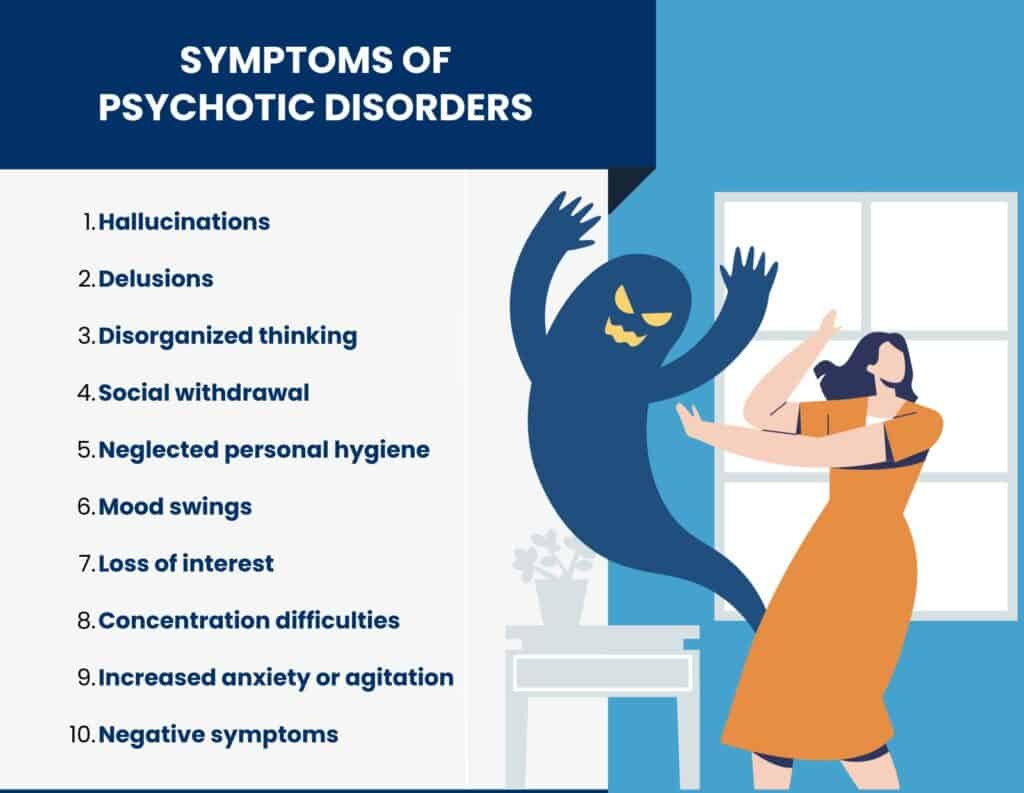
The development of psychosis in methamphetamine users is closely linked to dysregulation of dopamine pathways. Excess dopamine activity in the mesolimbic system can lead to abnormal salience attribution, meaning neutral stimuli are perceived as threatening or significant. This mechanism underlies paranoid delusions and persecutory beliefs frequently observed in methamphetamine psychosis.
Glutamate imbalance also contributes to cognitive disorganization and perceptual distortions. Chronic methamphetamine exposure disrupts prefrontal cortex functioning, impairing executive control and emotional regulation. Sleep deprivation, oxidative stress, and neuroinflammation further exacerbate these effects, creating a neurological environment that predisposes individuals to psychotic experiences.
Neuroimaging studies show structural and functional changes in regions associated with memory, decision-making, and emotional processing among heavy methamphetamine users. Neuroscience Research Institute incorporates these findings into treatment planning, highlighting the need for comprehensive neuropsychiatric care rather than solely focusing on detoxification.
Risk Factors for Methamphetamine Psychosis
While anyone using methamphetamine may experience psychotic symptoms, certain factors significantly increase risk. High-dose or chronic use, binge patterns, and sleep deprivation are among the strongest predictors. The drug’s method of administration also plays a role, with smoking or injecting delivering rapid and intense dopamine surges that heighten neurotoxicity.
Preexisting mental health disorders, particularly anxiety, depression, bipolar disorder, or schizophrenia spectrum conditions, increase vulnerability. Genetic predisposition to psychosis can interact with stimulant exposure, lowering the threshold for symptom emergence. Trauma history and chronic stress may also sensitize the brain’s stress response system, amplifying paranoid thinking during intoxication or withdrawal.
Neuroscience Research Institute clinicians assess these risk factors during intake evaluations to tailor interventions that address both substance use and co-occurring psychiatric conditions.
Common Symptoms and Clinical Presentation
Methamphetamine psychosis manifests through a range of psychological and behavioral symptoms that can vary in severity. Paranoia is often the most prominent feature, with individuals believing they are being watched, followed, or targeted. Hallucinations may occur across sensory modalities, though auditory and tactile hallucinations are particularly common.
Delusional thinking can include persecutory beliefs, grandiosity, or somatic concerns. Some individuals report feeling insects crawling under their skin, a phenomenon known as formication. Disorganized speech and thought patterns may interfere with communication, while agitation and aggression can create safety risks for both the individual and others.
Emotional dysregulation frequently accompanies these symptoms, leading to fear, irritability, and panic. Cognitive impairment may manifest as poor concentration, memory difficulties, and impaired judgment. Neuroscience Research Institute emphasizes careful clinical assessment to differentiate methamphetamine psychosis from primary psychotic disorders, as treatment approaches may differ.
Acute Versus Persistent Psychosis
Methamphetamine psychosis exists on a spectrum ranging from acute, transient episodes to persistent psychotic disorders. Acute psychosis typically occurs during heavy use or withdrawal and resolves within days or weeks of abstinence. Sleep restoration and medical stabilization often contribute to symptom improvement in these cases.
Persistent psychosis, however, can continue long after drug cessation. Research suggests that repeated stimulant exposure may trigger lasting neurochemical and structural changes that resemble schizophrenia-like pathology. Individuals with persistent psychosis may require long-term psychiatric treatment, including antipsychotic medications and psychosocial support.
At Neuroscience Research Institute, clinicians monitor symptom duration and progression to determine whether psychosis is substance-induced or indicative of an emerging primary psychiatric disorder. This distinction guides treatment planning and prognosis.
The Role of Sleep Deprivation and Stimulant Binges

Sleep deprivation is a critical yet often overlooked contributor to methamphetamine psychosis. Extended binges can keep individuals awake for days, impairing cognitive functioning and emotional regulation. Sleep loss alone can produce hallucinations and paranoid thinking, and when combined with stimulant neurotoxicity, the risk of psychosis increases dramatically.
Neuroscience Research Institute prioritizes sleep restoration as a foundational component of stabilization. Structured environments, circadian rhythm regulation, and supportive pharmacological interventions may be used to reestablish healthy sleep patterns, reducing psychotic symptoms and improving cognitive recovery.
Assessment and Diagnosis at Neuroscience Research Institute
Comprehensive assessment is essential for accurately diagnosing methamphetamine psychosis. Neuroscience Research Institute employs multidisciplinary evaluations that include psychiatric interviews, substance use history, cognitive screening, and medical examination. Clinicians explore symptom onset, duration, and relationship to substance use to differentiate between substance-induced psychosis and primary psychiatric disorders.
Neuropsychological testing may identify cognitive deficits associated with stimulant neurotoxicity, while trauma and mood assessments help uncover co-occurring conditions. This holistic diagnostic approach ensures that treatment addresses the full spectrum of biological, psychological, and social factors influencing recovery.
Medical Stabilization and Detoxification
The initial phase of treatment often involves medical stabilization and detoxification. During this stage, clinicians focus on managing agitation, anxiety, and psychotic symptoms while ensuring safety. Hydration, nutritional support, and sleep restoration play vital roles in stabilizing brain function.
In some cases, short-term pharmacological interventions may be used to reduce psychosis and agitation. Neuroscience Research Institute emphasizes individualized care, recognizing that medication needs vary based on symptom severity, medical history, and co-occurring disorders. Detoxification alone is rarely sufficient; ongoing therapeutic support is necessary to address underlying neuropsychiatric changes and prevent relapse.
Psychiatric Treatment and Medication Strategies
When psychotic symptoms persist or pose safety risks, antipsychotic medications may be incorporated into treatment. These medications help regulate dopamine activity, reducing hallucinations, delusions, and agitation. Mood stabilizers or antidepressants may also be prescribed when mood disorders coexist with psychosis.
Neuroscience Research Institute clinicians carefully monitor medication response and side effects, adjusting treatment plans as needed. The goal is symptom stabilization while supporting cognitive recovery and functional improvement. Medication is typically integrated with psychotherapy and behavioral interventions rather than used as a standalone approach.
Psychotherapy and Behavioral Interventions
Psychotherapeutic support is essential for addressing the psychological impact of methamphetamine psychosis. Cognitive behavioral therapy can help individuals challenge paranoid beliefs, develop coping strategies, and manage cravings. Trauma-informed therapy may be particularly beneficial for individuals whose substance use is linked to unresolved trauma.
Motivational interviewing supports engagement in recovery by exploring ambivalence and strengthening intrinsic motivation for change. Neuroscience Research Institute integrates these approaches within a structured therapeutic framework that promotes insight, emotional regulation, and relapse prevention.
Cognitive Rehabilitation and Neurorecovery

Methamphetamine psychosis often leaves individuals with cognitive impairments affecting memory, attention, and executive functioning. Cognitive rehabilitation strategies can support neurorecovery by targeting these deficits through structured exercises and skill-building interventions.
Neuroscience Research Institute incorporates cognitive remediation and neurofeedback techniques aimed at enhancing brain plasticity and restoring functional connectivity. These interventions complement psychotherapy and medication management, promoting holistic recovery that extends beyond symptom reduction.
Addressing Co-Occurring Mental Health Disorders
Dual diagnosis is common among individuals experiencing methamphetamine psychosis. Mood disorders, anxiety disorders, trauma-related conditions, and personality disorders frequently coexist with stimulant use. Failure to address these underlying issues can increase relapse risk and prolong psychiatric instability.
Neuroscience Research Institute provides integrated dual diagnosis treatment that simultaneously addresses substance use and mental health conditions. This approach fosters emotional stabilization, improves treatment adherence, and enhances long-term outcomes.
Family Involvement and Support Systems
Family members often play a crucial role in recovery from methamphetamine psychosis. Education about the condition can reduce stigma, improve communication, and strengthen support networks. Neuroscience Research Institute encourages family participation through therapy sessions and psychoeducation programs that help loved ones understand symptom patterns, relapse risks, and strategies for providing effective support.
Strong social support has been linked to improved recovery outcomes, emphasizing the importance of rebuilding healthy relationships during treatment.
Long-Term Recovery and Relapse Prevention
Sustained recovery from methamphetamine psychosis requires ongoing support beyond acute treatment. Relapse prevention strategies focus on identifying triggers, developing coping skills, and establishing healthy routines. Structured aftercare programs, outpatient therapy, and peer support groups can provide continuity of care and reinforce recovery gains.
Neuroscience Research Institute emphasizes personalized relapse prevention planning that integrates lifestyle changes, stress management, and community engagement. Long-term monitoring of psychiatric symptoms ensures early intervention if psychosis reemerges.
Prognosis and Hope for Recovery
The prognosis for methamphetamine psychosis varies based on factors such as duration of use, severity of symptoms, and presence of co-occurring disorders. Many individuals experience significant improvement with sustained abstinence and comprehensive treatment. Neuroplasticity allows the brain to heal over time, though recovery may be gradual.
Persistent psychosis may require long-term psychiatric care, yet even in these cases, symptom management and functional recovery are achievable. Neuroscience Research Institute emphasizes hope and resilience, highlighting that early intervention, integrated treatment, and supportive environments can dramatically improve outcomes.
The Importance of Early Intervention
Early recognition and treatment of methamphetamine psychosis can prevent symptom escalation and reduce the risk of chronic psychiatric complications. Neuroscience Research Institute advocates for prompt evaluation when individuals exhibit paranoia, hallucinations, or behavioral changes associated with stimulant use. Early intervention supports stabilization, protects neurological health, and enhances the likelihood of full recovery.
A Neuroscience-Driven Approach to Healing
Methamphetamine psychosis underscores the complex interplay between substance use and brain function. At Neuroscience Research Institute, treatment is grounded in neuroscience research and delivered through multidisciplinary collaboration. By integrating medical care, psychiatric treatment, psychotherapy, and cognitive rehabilitation, clinicians address the biological and psychological dimensions of recovery.
This comprehensive approach recognizes that healing extends beyond symptom reduction. It involves restoring cognitive functioning, rebuilding emotional resilience, and supporting individuals in reclaiming meaningful lives free from substance-induced psychiatric distress.
Conclusion
Methamphetamine psychosis is a serious yet treatable condition that reflects profound neurochemical disruption and psychological distress. Understanding its causes, symptoms, and treatment pathways is essential for promoting early intervention and effective recovery. Neuroscience Research Institute remains committed to advancing evidence-based care that supports stabilization, neurorecovery, and long-term wellness.
Through compassionate clinical expertise and a neuroscience-driven framework, individuals experiencing methamphetamine psychosis can find hope, healing, and a path toward restored mental health.