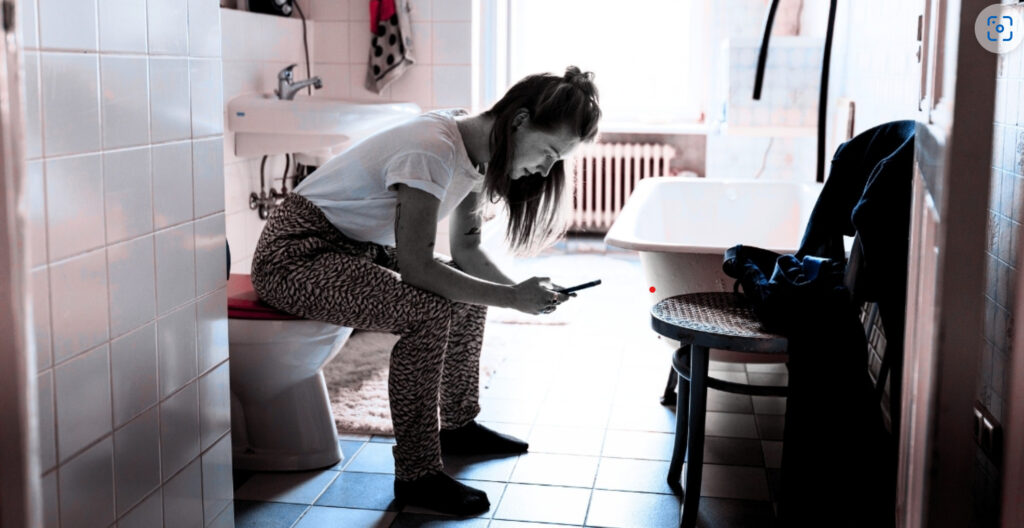
What is Bathroom Camping in the Context of Mental Health?
In the realm of mental health, individuals often seek refuge from external stressors in various forms. One such phenomenon that has garnered attention in recent years is often termed “bathroom camping.” This practice refers to the act of using the bathroom as a temporary sanctuary away from daily pressures and responsibilities. While it may seem trivial or even humorous, bathroom camping has complex implications for mental well-being, offering both solace and a need for deeper exploration into the individual’s psychological landscape.
Bathroom camping typically emerges in response to overwhelming stressors that individuals face in their daily lives, be it from work, family dynamics, or societal pressures. The bathroom, often regarded as a private space, transforms into a safe haven where one can momentarily escape the demands of the outside world. Individuals might take refuge in this intimate setting to engage in activities like scrolling through their smartphones, reading, or simply enjoying a moment of solitude. This act of retreat provides a necessary mental break—an essential reset for the overwhelmed mind.
From a psychological perspective, the importance of having personal space cannot be overstated. Psychological theories on stress management highlight the necessity of creating boundaries in one’s life to cope with external demands effectively. The bathroom, with its undeniable privacy, allows for a rare opportunity to disconnect and introspect. This method of self-preservation can be crucial for mental health, offering individuals a moment to gather their thoughts, reflect on their feelings, or even practice mindfulness. The simple act of isolation can provide a significant reprieve from anxiety and can be a form of self-care that is often overlooked.
However, while bathroom camping can serve as a palliative measure for stress relief, it may also indicate deeper issues related to mental health. The frequent need to seek refuge in the bathroom—a personal space—can be symptomatic of broader psychological challenges such as anxiety disorders, depression, or emotional dysregulation. When individuals resort to bathroom camping as a habitual escape, it may suggest that they are struggling with their ability to regulate their emotions in the face of overwhelming circumstances. This dependency can hinder the development of healthier coping strategies and perpetuate a cycle of avoidance rather than engagement with one’s feelings.
Moreover, the rise of bathroom camping amidst the growing awareness of mental health issues underscores the contextual challenges many individuals face today. Societal expectations often dictate a relentless pace of life, with high demands for productivity and emotional resilience. In many instances, asserting the need for personal space is stigmatized or dismissed, leading individuals to internalize feelings of guilt or shame when seeking solitude. The bathroom becomes a literal and metaphorical escape from these pressures, a space where societal norms can be temporarily silenced.
Yet, it is crucial to recognize that bathroom camping is not a sustainable solution for long-term mental health challenges. Habitual retreat into solitude can lead to increased feelings of isolation and may exacerbate underlying issues. While short-term relief is beneficial, cultivating a comprehensive strategy for mental wellness is essential. This could include developing communication skills to articulate one’s needs for space to family and peers, seeking professional help when necessary, or incorporating mindfulness practices that can be performed in a broader context outside the bathroom.
Furthermore, the phenomenon of bathroom camping invites a broader discussion regarding societal attitudes toward mental health. As conversations surrounding psychological well-being continue to evolve, recognizing the significance of personal space and the methods by which individuals cope is vital. Educational programs focused on emotional intelligence, stress management, and self-care can empower individuals to seek healthier pathways to unrest and anxiety rather than relying solely on temporary escapes.
Why is Bathroom Camping a Thing?
In the cacophony of modern life, individuals often find themselves grappling with various forms of stress—be it from work, family demands, or societal expectations. In this context, a phenomenon known as “bathroom camping” has emerged as an unconventional yet poignant coping mechanism. The practice typically involves retreating to a bathroom, often accompanied by leisure items like a smartphone, a book, or even snacks, to carve out a sacred space for solitude. While it may appear trivial at first glance, bathroom camping serves as a multifaceted mechanism for psychological relief and emotional restoration.
The Need for Solitude
At its core, bathroom camping often begins as an expression of the fundamental human need for solitude. In an age characterized by constant connectivity and relentless demands on personal time, individuals frequently struggle to find a moment of silence. Bathrooms, ironically, present a unique space for respite—where personal boundaries can be established, however temporarily. The enclosed setting not only provides physical seclusion but also an emotional sanctuary, where one can reflect and recharge away from the pressure of daily responsibilities. This self-imposed exile allows individuals to gain clarity, process emotions, and experience mindfulness in an otherwise chaotic world.
Psychological Safety in Bathroom Camping
The act of retreating to the bathroom embodies a form of psychological safety. Enclosed spaces often possess calming properties; they allow individuals to momentarily distance themselves from stressors. This physical separation creates an emotional buffer, granting the individual a sense of control over their surroundings when external obligations feel overwhelming. The bathroom becomes a locus of autonomy, wherein one can momentarily detach from societal expectations and engage in self-care activities—be it reading, meditating, or merely indulging in quiet thought. This act fosters resilience, an essential trait for coping with stress in an everyday context.
Escape from Overwhelm and Need for Solitude
In psychological terms, overwhelming stressors can provoke a fight-or-flight response. When confronted with emotional fatigue or anxiety, individuals often find themselves at a loss for effective coping strategies. Bathroom camping can act as a flight mechanism, allowing individuals to withdraw from demanding environments. This respite acts as a form of emotional regulation, helping to reduce anxiety and mitigate feelings of helplessness. Within the confines of the bathroom, one can engage in activities that facilitate emotional release, such as journaling or simply deep-breathing exercises, enabling them to emerge with renewed fortitude.
Normalization of Self-Care
The normalization of such practices can also be attributed to cultural shifts towards self-care. In recent years, there has been a growing recognition of the importance of mental health, and practices that prioritize self-well-being have received positive reinforcement. Bathroom camping, albeit unconventional, serves as a microcosm of the larger movement towards valuing personal time and mental health. Those who partake in this behavior often do so publicly, sharing their experiences on social media platforms and normalizing the idea that taking breaks in unconventional places is not only acceptable but necessary.
The Role of Digital Connectivity in Bathroom Camping
Technology plays a significant role in the phenomenon of bathroom camping. The presence of smartphones and other digital devices allows individuals to curate their experiences, whether through social media, streaming entertainment, or browsing the Internet. This digital engagement often amplifies the benefits of solitude, providing a means of distraction from the pressures that prompted the escape in the first place. Consequently, bathroom camping can shift from an act of mere withdrawal into an enriching experience—an opportunity to explore personal interests while simultaneously alleviating stress.
In sum, the phenomenon of bathroom camping underscores the myriad ways in which individuals navigate the complexities of modern life. By providing a physical and psychological sanctuary, bathroom camping becomes a vital coping mechanism for managing stress and fostering emotional resilience. The practice encapsulates essential human needs: the longing for solitude, the quest for autonomy, and the necessity of self-care in contemporary society. As mental health awareness continues to evolve, unconventional coping strategies like bathroom camping may serve as potent reminders that sometimes, the simplest methods are the most effective in reclaiming one’s sense of peace amidst life’s chaos.
What are the Mental Health Conditions for Which Bathroom Camping is Used?
Bathroom camping, a colloquial term often associated with the practice of seeking refuge in a bathroom for extended periods, is increasingly recognized as a coping mechanism among individuals dealing with various mental health conditions. This behavior, which may encompass spending significant amounts of time in a bathroom away from social interaction, is frequently employed as a strategy for managing anxiety, depression, obsessive-compulsive disorder (OCD), and autism spectrum disorder (ASD), among others. By exploring the nuances of this phenomenon, we can better understand its implications for mental health and the individuals who engage in it.
Anxiety Disorders
Anxiety disorders are some of the most prevalent mental health conditions, characterized by excessive fear or worry that can interfere with daily functioning. Individuals suffering from anxiety often seek out safe spaces where they feel secure and away from perceived threats. Bathrooms frequently serve as such sanctuaries. The enclosed nature of a bathroom, combined with the ability to control its environment—by locking the door, for instance—provides a sense of safety and predictability. For individuals grappling with panic attacks or generalized anxiety disorder, the bathroom allows them to engage in deep breathing exercises, reflect, or simply distance themselves from anxiety-provoking situations.
Moreover, the solitude offered by bathroom camping cultivates a temporary escape from overwhelming social interactions, allowing individuals to recalibrate their emotional state. However, while this behavior can be a short-term coping mechanism, it may also signal a deeper struggle with anxiety. Prolonged bathroom camping may indicate that individuals are avoiding necessary confrontations or experiences that could help them address their anxieties more constructively.
Depression
In the context of depression, bathroom camping can manifest as a retreat from the outside world and an isolating behavior. Depression often saps individuals of energy and motivation, leading to a pervasive sense of hopelessness. For many, the bathroom becomes a physical and metaphorical space of solitude that mirrors their mental state. The act of retreating to the bathroom may provide a momentary escape from feelings of worthlessness or sadness, offering a space to cry or engage in self-soothing practices without the burden of external expectations.
Additionally, for individuals with depressive symptoms, taking the time to isolate themselves in a bathroom may be indicative of a deeper psychological struggle. This form of camping can highlight the challenges of facing daily responsibilities and social situations, further perpetuating a cycle of avoidance and withdrawal. It is essential to recognize that, while bathroom camping might serve as a temporary respite, it can also reinforce negative thought patterns and hinder recovery.
Obsessive-Compulsive Disorder
Obsessive-compulsive disorder (OCD) is characterized by intrusive thoughts and compulsive behaviors aimed at reducing the distress caused by these obsessions. For some individuals, the bathroom becomes a space for ritualistic behaviors, such as excessive handwashing or checking. This compulsive need to engage in specific rituals can lead to extended periods spent in the bathroom as individuals attempt to alleviate their anxiety through these actions.
Bathroom camping in the context of OCD can also be a form of avoidance. Individuals may retreat to the bathroom to escape anxiety-laden environments that trigger their compulsions or obsessions. However, this behavior can become counterproductive, reinforcing their compulsive tendencies and contributing to their overall distress. Addressing OCD through therapeutic means often requires confronting these behaviors rather than seeking refuge in them.
Autism Spectrum Disorder
Bathroom camping is also observed among individuals on the autism spectrum. Many people with ASD experience heightened sensory sensitivities and social anxieties, leading them to seek out spaces where they can self-regulate and find comfort. Bathrooms, with their controlled sensory environments, can provide a brief reprieve from the overwhelming stimuli of social interactions or bustling environments.
For some individuals with ASD, the structured nature of bathroom routines—such as washing hands or taking a shower—can offer a sense of control and predictability in an otherwise unpredictable world. However, while this behavior can be beneficial in managing sensory overload, it may also impede social development and engagement if it becomes a primary coping strategy.
Bathroom camping functions as an adaptive yet potentially maladaptive coping mechanism for various mental health conditions, including anxiety disorders, depression, OCD, and autism spectrum disorder. While it may provide immediate relief from distressing emotions and overwhelming environments, it is crucial to recognize the behaviors surrounding bathroom camping as signals of deeper psychological struggles. Understanding the underlying reasons individuals engage in bathroom camping can facilitate more effective therapeutic interventions, enabling them to develop healthier coping strategies that promote mental well-being and social engagement. As mental health awareness grows, it is imperative that we approach such behaviors with understanding and compassion, ensuring that individuals feel supported in their journey toward recovery.
Healthier Alternatives to Bathroom Camping in Coping with Mental Health
In an era marked by heightened awareness of mental health, it is crucial to address the various coping mechanisms individuals adopt to manage their psychological stressors. One such behavior, colloquially termed “bathroom camping,” involves retreating to a bathroom, often for extended periods, as a means of escape from overwhelming situations. While this practice may offer temporary relief, it is important to consider healthier alternatives that can contribute to long-term well-being and resilience.
Bathroom camping, often characterized by solitude and isolation, may provide a brief respite from anxiety, depression, or stress. However, it can also exacerbate feelings of loneliness and hinder effective coping strategies. Engaging in isolation, although it may seem protective, often leads to increased rumination, which can intensify negative thought patterns. Therefore, exploring healthier coping mechanisms becomes imperative in fostering a comprehensive approach to mental well-being.
One productive alternative is the practice of mindfulness and meditation. Mindfulness encourages individuals to focus on the present moment without judgment, allowing them to acknowledge their thoughts and feelings without becoming overwhelmed by them. Research has shown that mindfulness practices can significantly reduce symptoms of anxiety and depression. Engaging in structured mindfulness exercises, such as guided meditations or deep-breathing techniques, can serve as effective tools for individuals seeking to manage their mental health in a more constructive manner.
Complementing mindfulness is physical activity, which has been widely recognized for its mental health benefits. Exercise stimulates the release of endorphins, chemicals in the brain that act as natural painkillers and mood elevators. Regular physical activity can reduce stress levels, mitigate symptoms of anxiety, and enhance overall emotional resilience. Activities ranging from brisk walking and cycling to yoga and dance can be integrated into daily routines, providing individuals with a means to not only escape their immediate emotional distress but also build a healthier lifestyle gradually.
Another alternative is the cultivation of supportive relationships. Having a strong social network is crucial for good mental health. Whether it is confiding in a trusted friend, participating in support groups, or seeking professional therapy, shared experiences and open communication can help individuals process their feelings more effectively than solitude. Engaging with others provides a sense of belonging and validation, thus counteracting the feelings of isolation often fostered by practices like bathroom camping. Additionally, the feedback and support from loved ones can equip individuals with new perspectives, better equipping them to handle stressors in their lives.
Creative outlets also present a far healthier means of coping with mental health challenges. Art, music, writing, and other forms of creative expression allow individuals to channel their emotions into tangible forms. Engaging in artistic activities can serve as both a distraction from distressing feelings and a way to externalize complex emotions that might be difficult to articulate verbally. The therapeutic nature of creative expression has been supported by numerous studies, which show that it can reduce anxiety, promote emotional well-being, and even improve cognitive function.
Lastly, establishing a structured daily routine provides a sense of predictability and control that can be particularly beneficial for mental health. In moments of distress, a chaotic environment can exacerbate feelings of anxiety and helplessness. By setting up a daily schedule that includes time for self-care, work, and leisure activities, individuals can create a balanced lifestyle that mitigates the urge to resort to isolationist behaviors. The practice of journaling can also complement this routine, allowing individuals to reflect on their thoughts and feelings, track their moods, and identify triggers, further empowering them in their journey to mental wellness.
In conclusion, while bathroom camping may serve as a temporary escape for some individuals coping with mental health conditions, the negative implications of such solitude underscore the necessity for healthier alternatives. Mindfulness, physical activity, meaningful relationships, creative outlets, and structured routines collectively offer individuals robust tools for coping with life’s challenges. By adopting these healthier strategies, individuals can forge a path toward improved mental well-being, ultimately leading to a more fulfilling and balanced life, free from the constraints of isolation.
In Conclusion
In conclusion, bathroom camping serves as a poignant lens through which to examine personal coping strategies and the mental health landscape at large. While it offers a momentary reprieve from the stresses of everyday life, it is also reflective of underlying challenges related to emotional regulation and societal expectations. By addressing the deeper implications associated with this practice and fostering the development of healthier coping mechanisms, individuals can enhance their mental well-being and cultivate richer connections with themselves and their environments. Understanding these dynamics not only fosters individual wellness but enhances the broader conversation on the importance of mental health in an increasingly demanding world.
Additionally, Neuroscience Research Institute is on the cutting edge of advanced research and modern treatment methods. If you or someone you know is struggling with a mental health issue or substance abuse related to mental illness contact us today and our programs will set you on the path of long term recovery.